
Knowledge and passion
Knowledge
Engelbert Schmid explains what makes a good horn – from harmonics and bells to care and repair.

Topics
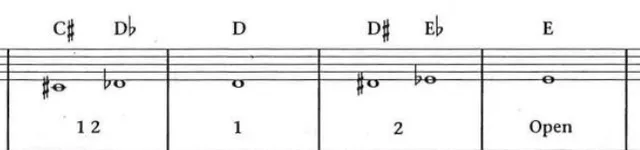
The 5th and 10th harmonics of the horn are flat. How Engelbert Schmid corrects them on the F side of his double horns with hydraulically inflated F loops.
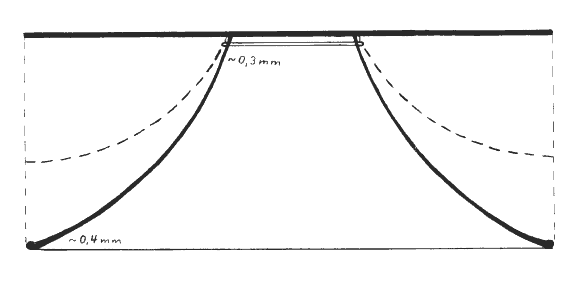
Bell size, alloy, garland, manufacturing method and lacquer all shape the sound of a horn. Engelbert Schmid explains the differences and their effect.
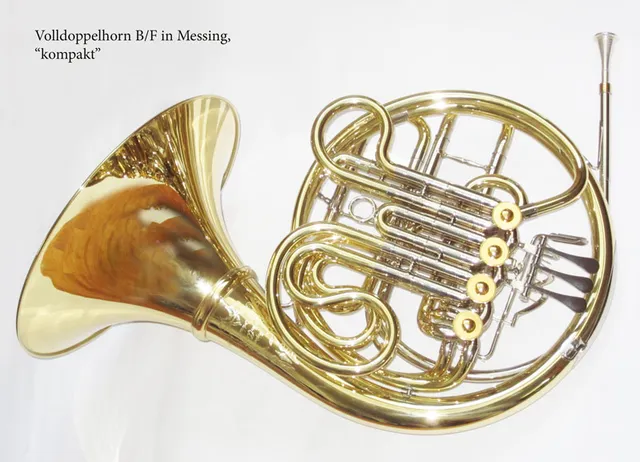
Engelbert Schmid’s “kompakt” bell taper offers a positive, even resistance – for stable, secure and precise horn playing with a compact sound.
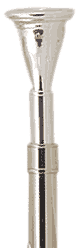
Original Engelbert Schmid mouthpieces in four rim widths and six cup depths – traditionally made or digitally turned, with a complete table of dimensions and tips on choosing.
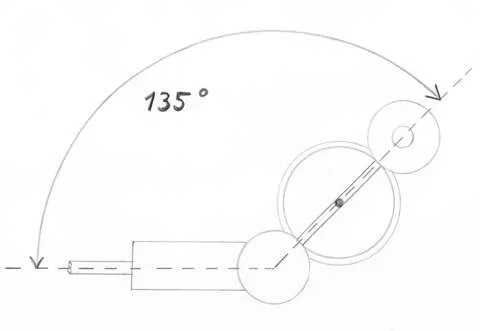
Ball-and-socket or string action? Why most professionals prefer string – explained by the mechanical angle at rest, half-way and fully pressed.
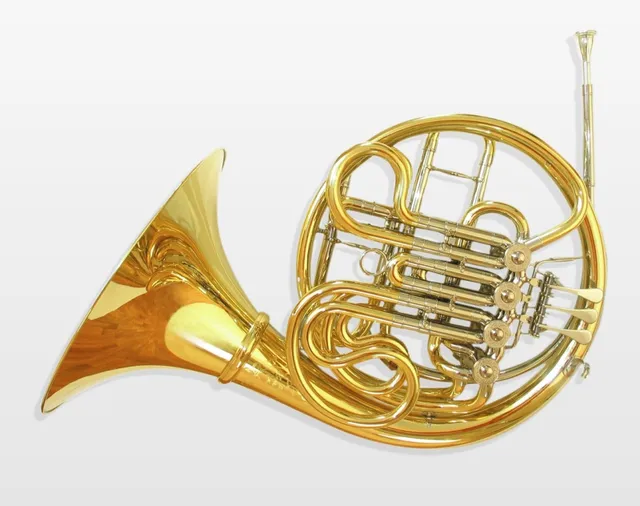
Care tips from Engelbert Schmid: how to oil the valves, grease the slides and clean the mouthpipe – and what your repairman must pay attention to. Plus the recommended slide positions.
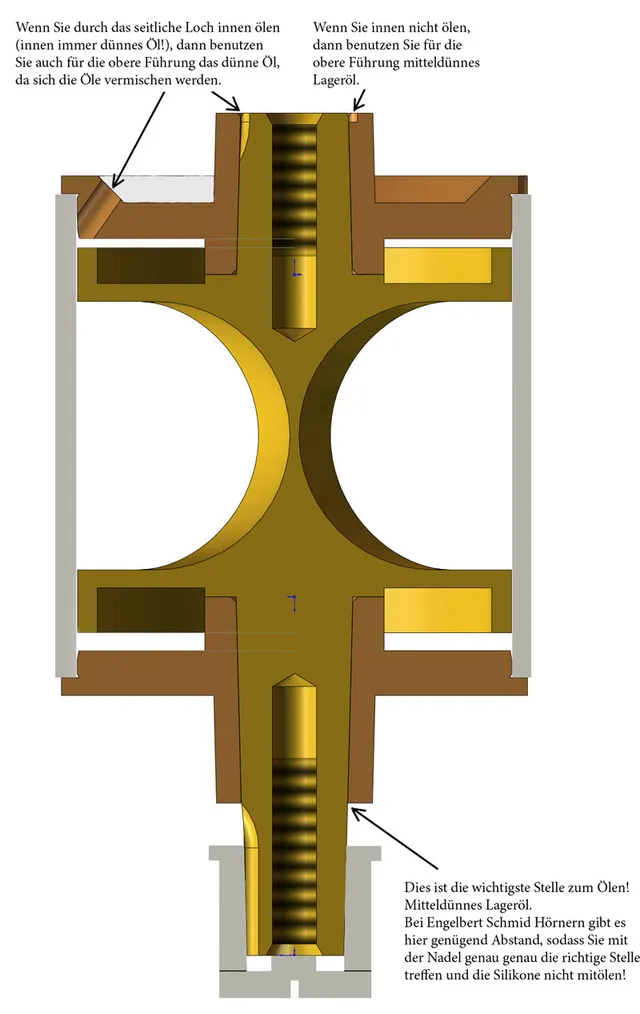
Engelbert Schmid explains to horn players how a valve works, how and how often to oil it correctly, and how to remove, clean and reinsert a valve yourself.
Engelbert Schmid explains to repairmen how a horn valve works, how to reseat the bearings correctly and remove lime deposits gently – and why acid baths and lapping destroy valves.

Engelbert Schmid has developed a horn case that brings together all his experience: comfortable for the player, safe for the instrument and sized as airline hand luggage.
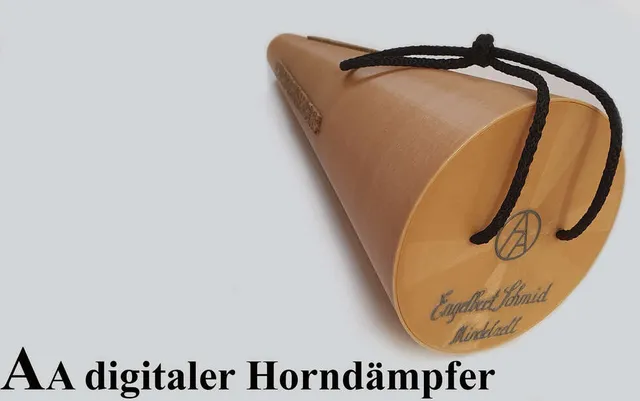
The AA Digital Mute by Alexandr Afanasiev is made on a 3D printer – tunable, with problem-free intonation, and also available as a stopping mute and a Wagner tuba mute.